
In today’s highly competitive real estate market, many brokers and agencies fall into the same trap—they compete on commission rates instead of value. Sellers compare percentages, buyers negotiate fees, and agencies gradually reduce their margins simply to win listings. While this strategy may generate short-term business, it almost always damages long-term profitability and weakens brand perception.
The most successful luxury real estate professionals operate differently. They rarely participate in price wars because they have positioned themselves as trusted advisors rather than intermediaries. Their clients are willing to pay premium commissions because they believe they are receiving premium expertise, exceptional service, exclusive marketing, and a higher probability of achieving the best possible outcome.
Strong branding is not about having an elegant logo or an attractive website. It is about creating a clear perception in the minds of potential clients that your agency offers something competitors cannot easily replicate. When your value is obvious, commission becomes a secondary consideration.
This article explores how brokers and agency owners can develop a compelling Unique Value Proposition (UVP), package their expertise effectively, and build a brand that consistently attracts premium clients while avoiding destructive price competition.
Why Price Competition Is a Losing Strategy
Lowering your commission may seem like the easiest way to secure new business, but it creates several long-term problems.
First, it attracts price-sensitive clients who often continue negotiating throughout the transaction. These clients usually require more time, ask for additional services, and remain less loyal than those who choose an agency because of its reputation.
Second, competing on price reduces perceived value. In luxury markets especially, lower pricing often raises questions about experience, marketing quality, or negotiation skills.
Finally, price competition is difficult to sustain. Another agency can almost always offer a slightly lower fee, forcing everyone into a race that benefits no one except the client.
Instead of asking, “How can we charge less?” successful agencies ask, “How can we create so much value that clients gladly pay more?”
Understanding Positioning
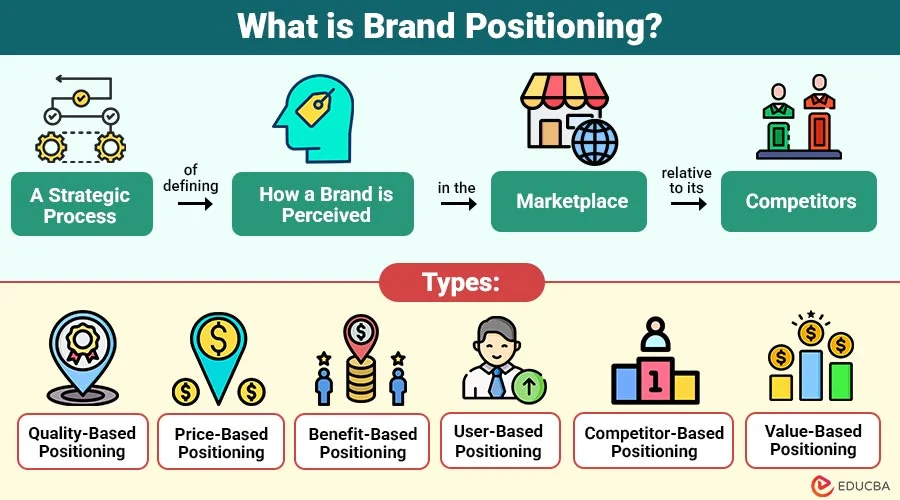
Positioning is the place your brand occupies in a client’s mind compared to every competitor.
When someone hears your agency’s name, what is the first thing they think about?
Do they associate your business with luxury homes?
Investment expertise?
International buyers?
Exceptional negotiation?
Architectural properties?
Waterfront estates?
If your answer is “everything,” then your positioning is unclear.
Strong brands are remembered because they stand for something specific.
Moving from Generalist to Specialist
One of the fastest ways to justify higher commissions is specialization.
Instead of trying to serve every client equally, focus on a clearly defined niche.
Examples include:
- Luxury residential properties
- Waterfront homes
- Historic estates
- New developments
- Investment properties
- International relocation
- Golf communities
- Eco-friendly architecture
- High-rise penthouses
- Vacation residences
Specialists are perceived as experts.
Experts command premium fees.
Creating a Powerful Unique Value Proposition (UVP)
Your Unique Value Proposition explains why clients should choose your agency instead of any competitor.
A strong UVP answers three questions:
What do you do?
Clearly define your service.
Example:
“We help luxury homeowners sell exclusive properties through premium marketing strategies.”
Who do you serve?
Identify your ideal audience.
Examples include:
- High-net-worth individuals
- Property investors
- International buyers
- Developers
- Families relocating
- Luxury homeowners
Specificity increases credibility.
Why are you different?
This is where most agencies struggle.
Instead of saying:
“We provide excellent customer service.”
Say:
“We combine cinematic marketing, private buyer networks, strategic partnerships, and data-driven pricing to help luxury homeowners sell faster and maximize value.”
Specific benefits are more persuasive than generic promises.
Packaging Your Expertise
Clients cannot appreciate expertise they cannot see.
Your knowledge must be visible across every client touchpoint.
Professional Website
Your website should immediately communicate authority.
Include:
- Premium photography
- Market reports
- Case studies
- Client testimonials
- Media features
- Educational resources
- Luxury property portfolio
The design should reflect the market you serve.
Educational Content
Instead of constantly promoting listings, educate your audience.
Publish articles covering topics such as:
- Luxury market trends
- Pricing strategies
- Investment opportunities
- Negotiation techniques
- Home preparation
- Tax considerations
Education positions you as an advisor rather than a salesperson.
Video Expertise
Video builds trust faster than almost any other medium.
Create videos discussing:
- Market updates
- Property evaluations
- Investment insights
- Luxury design trends
- Frequently asked questions
Clients become familiar with your communication style before your first meeting.
Selling Outcomes Instead of Services
Many agencies describe what they do.
Premium brands describe what clients achieve.
Instead of saying:
“We photograph your property.”
Say:
“We create a visual presentation that attracts qualified buyers and increases perceived value.”
Instead of:
“We advertise your listing.”
Say:
“We place your property in front of carefully targeted buyers who are financially capable of purchasing premium real estate.”
Focus on results, not activities.

Building Instant Trust
Trust determines whether clients compare commissions or sign immediately.
Several elements contribute to immediate credibility.
Social Proof
Feature:
- Verified testimonials
- Video reviews
- Success stories
- Repeat clients
- Referral statistics
Real experiences reduce uncertainty.
Authority Indicators
Display:
- Professional certifications
- Awards
- Industry memberships
- Speaking engagements
- Published articles
- Media appearances
Authority reassures premium clients.
Case Studies
Show real examples.
Describe:
- Client objectives
- Challenges
- Marketing strategy
- Results achieved
Numbers strengthen credibility.
Example:
“The property received 47 qualified inquiries and sold within 18 days at 97% of the asking price.”
The Premium Client Experience
Luxury branding extends beyond marketing.
Every interaction shapes perception.
Consider the complete client journey.
Initial Inquiry
Respond quickly.
Personalize communication.
Avoid generic templates.
Consultation
Focus on listening.
Understand motivations before discussing services.
Ask thoughtful questions.
Presentation
Provide customized proposals.
Include:
- Marketing strategy
- Timeline
- Pricing analysis
- Buyer profile
- Promotional channels
Demonstrate preparation.
Ongoing Communication
Regular updates create confidence.
Clients appreciate transparency more than constant reassurance.
Closing
Celebrate the transaction professionally.
Provide thoughtful gifts.
Request feedback.
Maintain the relationship.
Exceptional service generates referrals.
Why Premium Commissions Make Sense
Some brokers hesitate to charge higher commissions because they fear losing business.
In reality, premium fees often communicate confidence.
Clients understand that outstanding marketing, negotiation, and service require investment.
Explain what your commission includes.
For example:
- Professional staging consultation
- Architectural photography
- Cinematic video production
- Drone footage
- Luxury print materials
- International advertising
- Private buyer outreach
- Social media campaigns
- Dedicated transaction management
- Legal coordination
When clients see everything included, commission becomes easier to justify.
Common Branding Mistakes
Many agencies unintentionally weaken their own positioning.
Avoid these mistakes:
- Trying to appeal to everyone.
- Competing primarily on price.
- Using generic marketing language.
- Publishing inconsistent branding.
- Neglecting thought leadership.
- Copying competitors.
- Underinvesting in professional content.
- Failing to communicate measurable results.
Strong brands are built through consistency.
Measuring Brand Strength
Branding should produce measurable business outcomes.
Monitor indicators such as:
- Referral rate
- Repeat clients
- Website traffic
- Organic search visibility
- Social engagement
- Consultation requests
- Average commission percentage
- Average property value
- Client satisfaction
- Net Promoter Score (NPS)
These metrics reveal whether your positioning is strengthening over time.
Developing a Long-Term Brand Strategy
Branding is not a one-time project.
It requires ongoing refinement.
Review your positioning annually.
Ask:
- Does our messaging still reflect our expertise?
- Have market conditions changed?
- Are we attracting our ideal clients?
- Which content generates the highest-quality leads?
- What do clients consistently praise?
Continuous improvement keeps your brand relevant.

Conclusion
Escaping price competition begins with changing how clients perceive your business. When your agency is positioned as a trusted advisor with specialized expertise, premium marketing capabilities, and a proven track record, commission is no longer the primary factor influencing a client’s decision.
A compelling Unique Value Proposition, consistent brand messaging, educational content, visible expertise, and an exceptional client experience work together to create a reputation that competitors cannot easily imitate. Instead of competing to be the cheapest option, focus on becoming the most valuable one.
The strongest real estate brands understand that clients are not paying for listings or transactions—they are investing in confidence, strategic guidance, and results. Agencies that communicate this value effectively build lasting relationships, command higher commissions, and establish themselves as leaders in even the most competitive markets.