
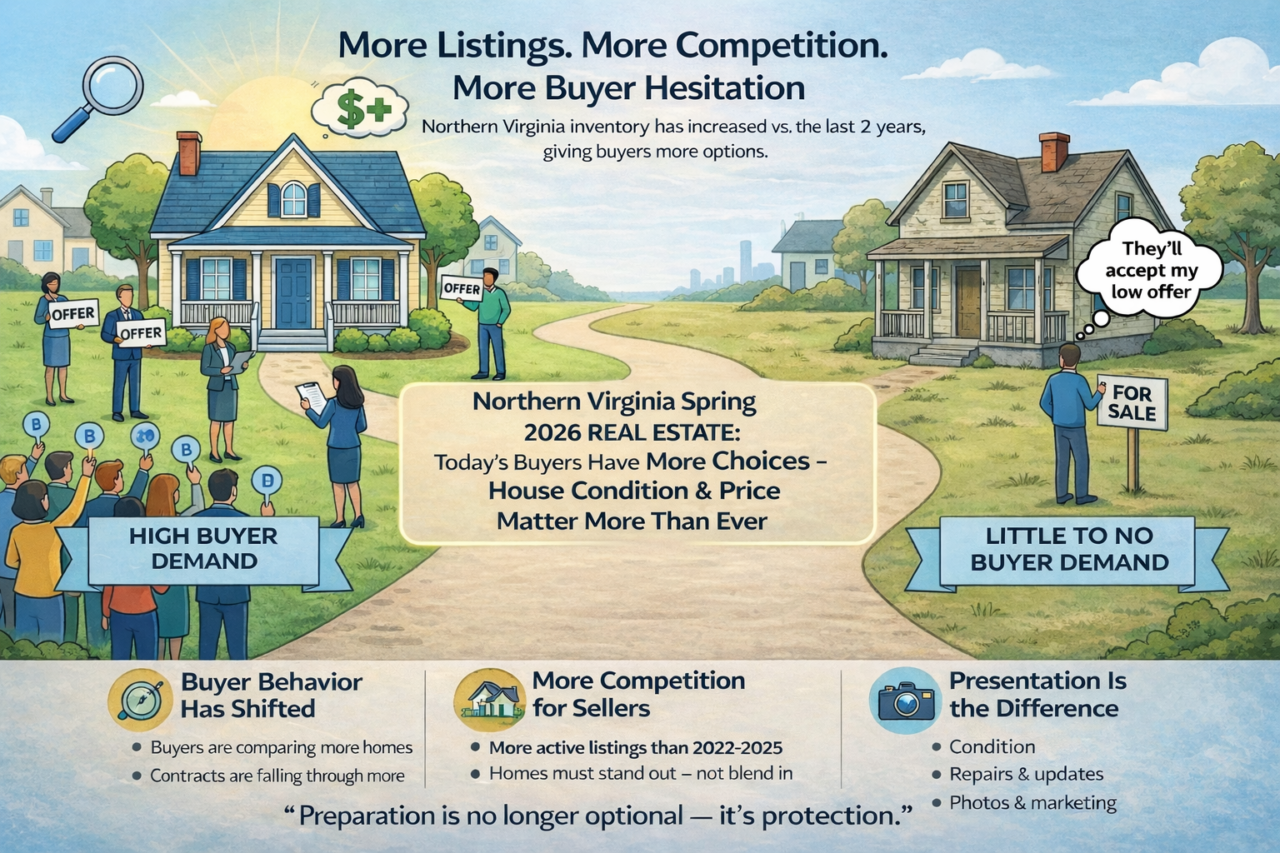
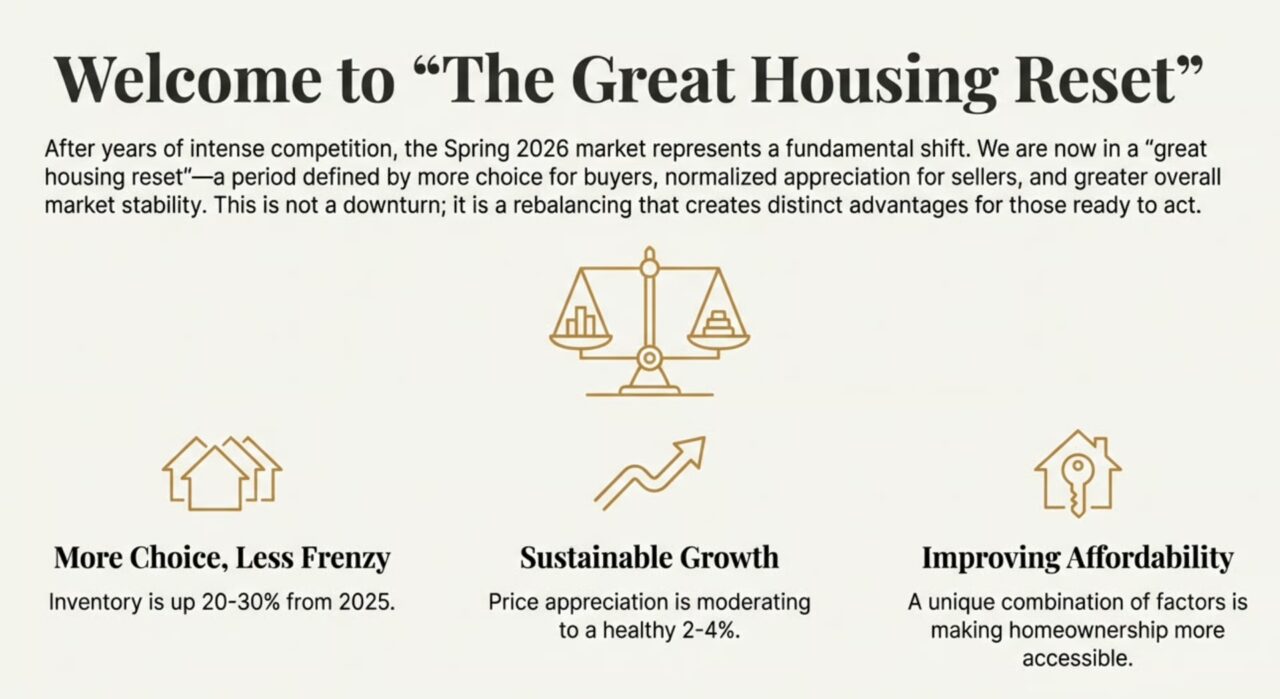
The global real estate market has entered a new phase. After years of rapid price appreciation, aggressive monetary policies, and changing consumer behavior, the market in 2026 is being shaped less by speculation and more by strategy. Buyers are becoming increasingly selective, investors are demanding stronger fundamentals, and capital is flowing toward assets that offer stability, flexibility, and long-term value.
For real estate agencies, this shift presents both a challenge and an opportunity. Traditional marketing methods that worked during periods of rapid growth are becoming less effective, while firms that understand emerging trends and evolving buyer priorities are gaining market share.
The agencies that will dominate the next decade are not necessarily those with the largest advertising budgets—they are the ones that recognize where demand is moving before competitors do. They analyze macroeconomic indicators, identify underserved client segments, and adapt their services to changing market dynamics.
This article explores the major forces shaping the real estate market in 2026, the changing priorities of buyers and investors, and practical strategies for identifying hidden liquidity that many agencies continue to overlook.
A New Market Cycle Requires a New Strategy
Every real estate cycle creates winners and losers.
During expansion periods, almost any well-located property attracts interest. During slower cycles, buyers become more analytical. They compare opportunities carefully, negotiate more aggressively, and prioritize long-term value over emotional purchasing decisions.
This transition does not mean demand has disappeared.
Instead, demand has become more selective.
Successful agencies recognize that today’s clients are asking different questions:
- Will this property preserve its value?
- How resilient is this location?
- What rental potential exists?
- How will demographic changes affect future demand?
- What infrastructure projects are planned nearby?
- Can this asset generate multiple income streams?
Understanding these priorities is the foundation of modern market research.

The Macroeconomic Trends Shaping 2026
Several global economic forces continue to influence real estate decisions.
Higher Interest Rate Environment
Although interest rates have stabilized compared to previous years, financing remains more expensive than during the era of ultra-low borrowing costs.
As a result:
- Buyers evaluate affordability more carefully.
- Investors prioritize stronger cash flow.
- Developers become more selective with new projects.
- Financing structures grow increasingly sophisticated.
Properties with clear investment fundamentals attract greater attention.
Persistent Inflation
Inflation continues to influence purchasing behavior.
Many investors still view premium real estate as an effective hedge against long-term currency depreciation.
However, buyers are increasingly focused on properties capable of generating stable rental income rather than relying solely on future appreciation.
Capital Preservation
The mindset of many investors has shifted.
Instead of pursuing maximum returns, they increasingly prioritize:
- Asset security
- Geographic diversification
- Reliable rental demand
- Political stability
- Sustainable long-term appreciation
This trend particularly benefits premium residential markets in economically resilient regions.
Buyer Priorities Have Changed
Luxury buyers in 2026 are purchasing differently than they did just a few years ago.
Lifestyle Flexibility
Hybrid work has permanently influenced housing preferences.
Clients increasingly seek:
- Home offices
- Flexible floor plans
- Outdoor living spaces
- Wellness amenities
- High-speed connectivity
Properties that support multiple lifestyles outperform highly specialized homes.
Energy Efficiency
Sustainability has evolved from a desirable feature into an important purchasing consideration.
Buyers increasingly evaluate:
- Solar energy systems
- Smart home technology
- Efficient insulation
- Water-saving infrastructure
- Sustainable construction materials
Energy-efficient homes often reduce long-term operating costs while increasing market appeal.
Community Quality
Location remains critical, but buyers increasingly evaluate neighborhoods through a broader lens.
Important factors include:
- Walkability
- Healthcare access
- International schools
- Fine dining
- Green spaces
- Security
- Cultural attractions
- Transportation infrastructure
Communities offering complete lifestyle ecosystems continue attracting premium demand.
The Rise of International Capital
Cross-border investment remains an important driver of luxury real estate.
International buyers increasingly seek markets that provide:
- Economic stability
- Transparent legal systems
- Currency diversification
- Strong property rights
- Attractive tax structures
- Residency opportunities
Agencies capable of serving international clients gain access to broader pools of capital than firms relying exclusively on domestic demand.
Hidden Liquidity: Opportunities Most Agencies Miss
One of the greatest competitive advantages comes from identifying demand before it becomes obvious.
Several overlooked opportunities continue to emerge.
Wealth Transfer Between Generations
Significant intergenerational wealth transfers are creating new groups of affluent buyers.
These clients often prioritize:
- Design
- Sustainability
- Digital convenience
- Flexible ownership structures
Traditional sales approaches may fail to resonate with this audience.
Downsizing Luxury Homeowners
Many affluent homeowners seek properties requiring less maintenance while maintaining exceptional quality.
Demand continues growing for:
- Luxury condominiums
- Serviced residences
- Gated communities
- Urban penthouses
These buyers often possess substantial purchasing power.
Relocating Professionals
Global mobility remains strong.
Executives, entrepreneurs, and remote business owners increasingly relocate based on lifestyle rather than employer location.
Their priorities include:
- International connectivity
- Safety
- Education
- Healthcare
- Business infrastructure
Agencies specializing in relocation services create valuable competitive advantages.
Private Investors Seeking Stable Income
Not every investor is pursuing rapid appreciation.
Many focus on:
- Consistent rental yields
- Low vacancy rates
- Professional property management
- Long-term tenant quality
These investors often become repeat clients.
Data Is the New Competitive Advantage
Modern agencies rely less on assumptions and more on measurable insights.
Track indicators such as:
- Buyer inquiries by property type
- Average days on market
- Price reductions
- Inventory levels
- Rental demand
- Population growth
- Infrastructure investment
- Migration patterns
- Mortgage approvals
Combining these indicators reveals emerging opportunities before competitors notice them.
Market Segments Expected to Perform Well
Although every local market differs, several sectors continue demonstrating resilience.
Premium Residential Properties
Well-located luxury homes remain attractive due to limited supply and strong long-term demand.
Mixed-Use Developments
Communities combining residential, retail, and leisure facilities continue gaining popularity.
Build-to-Rent Investments
Institutional investors increasingly allocate capital toward professionally managed rental communities.
Sustainable Developments
Eco-conscious construction continues attracting both buyers and investors.
Lifestyle Communities
Properties centered around wellness, golf, marinas, or exclusive amenities maintain strong demand among affluent clients.
Technology Is Reshaping Buyer Expectations
Today’s buyers expect faster access to information.
Increasingly common expectations include:
- Virtual property tours
- AI-assisted property recommendations
- Digital document signing
- Instant communication
- Interactive floor plans
- Online scheduling
- Transparent transaction tracking
Agencies investing in digital experiences improve both efficiency and customer satisfaction.
Research Beyond Property Prices
Many agencies focus almost exclusively on historical price trends.
Professional market research should also examine:
- Employment growth
- Corporate relocations
- University expansion
- Transportation projects
- Tourism development
- Retail investment
- Government infrastructure spending
- Demographic projections
These indicators often predict future demand more accurately than short-term pricing movements.
Building a Research-Driven Agency
Market research should become a continuous process rather than an annual exercise.
Develop regular reporting systems.
Review data:
Weekly
- New listings
- Buyer inquiries
- Lead quality
Monthly
- Sales activity
- Conversion rates
- Inventory changes
Quarterly
- Pricing trends
- Capital flows
- Regional performance
- Marketing effectiveness
Data-driven agencies respond faster to market changes.
Common Mistakes Agencies Continue to Make
Many firms remain focused on outdated assumptions.
Avoid these common errors:
- Targeting every buyer with identical messaging.
- Ignoring demographic changes.
- Relying solely on historical sales data.
- Failing to monitor infrastructure developments.
- Underestimating international demand.
- Overlooking rental market indicators.
- Reacting slowly to changing consumer preferences.
- Treating market research as a one-time project.
Continuous analysis creates sustainable competitive advantages.
Turning Market Research Into Business Growth
Research has little value unless it influences strategy.
Use market insights to:
- Refine your ideal client profile.
- Adjust marketing campaigns.
- Develop new service offerings.
- Identify investment hotspots.
- Improve pricing recommendations.
- Strengthen negotiations.
- Educate clients.
- Build thought leadership.
Clients increasingly choose advisors who provide strategic insight—not simply access to listings.
Conclusion
The real estate market of 2026 is defined by selectivity, informed decision-making, and evolving buyer expectations. Macroeconomic shifts, demographic changes, technological innovation, and international capital flows are creating a landscape where success depends on understanding trends before they become obvious.
Agencies that invest in continuous market research, monitor meaningful economic indicators, and adapt their strategies accordingly will uncover opportunities that competitors overlook. Hidden liquidity often exists not because demand is absent, but because most firms continue searching in familiar places while buyer priorities have already changed.
By combining data-driven analysis with deep market expertise and a proactive approach to client education, real estate professionals can position themselves as trusted advisors capable of identifying opportunity even during periods of uncertainty. In a rapidly changing market, insight is no longer just a competitive advantage—it is one of the most valuable services an agency can offer.